AI has brought some genuinely brilliant things into our kids' lives, from homework help to a bit of creative fun. But as these tools become part of everyday childhood, they bring risks that aren't always easy to spot. Here's how to recognise when your child's conversations with an AI might have taken a worrying turn, and what you can do about it.
The risks worth understanding first
AI chatbots are built to talk like a real person, which is exactly what makes them so appealing to children, and exactly where the risks come in.
Inappropriate content. Chatbots learn from vast amounts of internet text, which can include graphic or adult material that occasionally surfaces where it shouldn't.
Misinformation and bias. AI can state wrong or biased things with total confidence, which can mislead a child or quietly reinforce harmful stereotypes.
Grooming and exploitation. The mainstream AI isn't predatory in itself, but bad actors can build or use chatbots to target children, groom them, or coax out personal information.
Emotional manipulation. Advanced chatbots mimic empathy well enough that children can form real emotional bonds with them, which can tip into an unhealthy reliance on the bot for comfort and reassurance.
This isn't scaremongering. In March 2026, a report from Durham and Swansea Universities, "Invisible No More," found that AI chatbots are actively enabling serious harms, including giving personalised advice to stalkers, largely because they're designed to be agreeable and to keep you talking. It's a real, documented problem, not a hypothetical one.
The signs worth watching for
You don't need to read every message to notice when something's off. The signs usually show up in ordinary behaviour:
A sudden change in mood. Have they become unusually secretive, withdrawn or anxious after being on their device?
Guarding their screen. Are they hiding what's on it, or getting jumpy when you come near?
Getting defensive about AI. Do they bristle or shut down when you ask about their chats with a bot?
Unfamiliar language. Are they using phrases that seem older or out of character, picked up from an AI?
Leaning on it emotionally. Do they seem to be going to a chatbot for reassurance or big decisions rather than to you?
Sharing personal details. Have you found they've given a bot their full name, address, or other private information?
None of these on its own means disaster. Teenagers are private and moody by nature. But a few of them together, over time, are worth paying attention to.
What you can actually do
Keep the conversation open. Talk about online safety early and often, and be clear that not everything an AI says is true or safe. If they know they can come to you without being told off, they will.
Set some clear, fair boundaries. Agree on when and where devices are used, which platforms are okay, and what's off-limits, together, so it feels like a shared plan rather than a crackdown.
Use the controls that exist. Most devices and apps now have parental controls worth setting up, even if they only get you part of the way.
Teach them to question things. Encourage your child to ask "is that actually true?" and to check a real source. That habit protects them more than any filter.
Stay in the loop yourself. This stuff moves fast. Keeping half an eye on how AI is changing means you're not caught out.
Where the law is heading
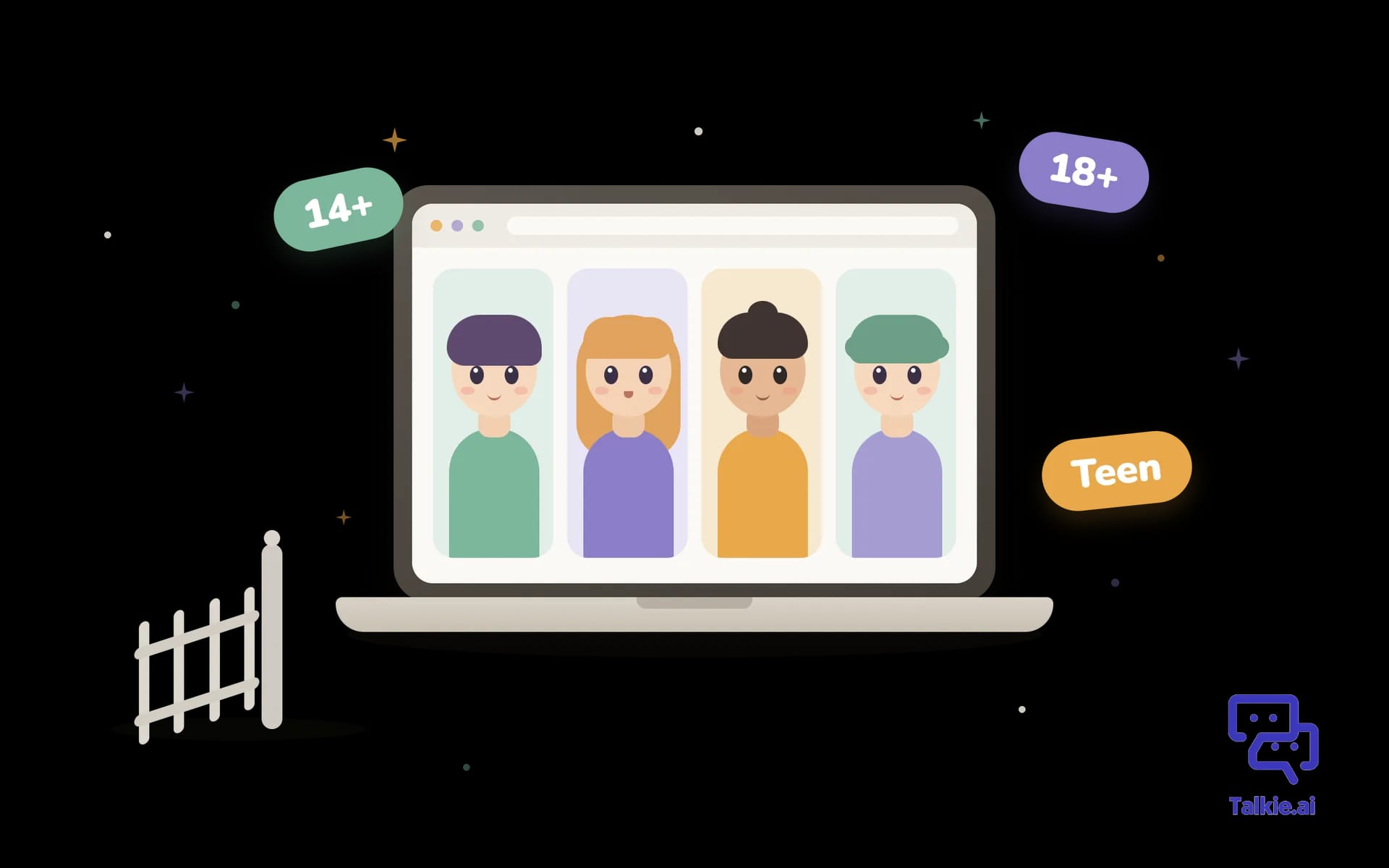
This isn't only on parents. Governments are starting to catch up: the UK has announced plans to age-gate the more explicit AI chatbot features to over-18s, and there's growing pressure for stronger rules around chatbots that target or mimic relationships with children. It's progress, but it's slow, and it doesn't help you with what's happening in your home tonight.
That's really the heart of it. By staying informed, keeping the conversation open, and putting a few sensible safeguards in place, you give your child the best chance of exploring AI safely, without you having to hover over their shoulder to do it.
Details about the Durham/Swansea report and UK policy in this post were checked in August 2026. This area changes quickly, so it's always worth checking for the latest.