In October, Common Sense Media’s Youth AI Safety Institute published a report that got a lot of attention. After testing more than 4,000 prompts on teen accounts, it rated ChatGPT for Teens, OpenAI’s version of ChatGPT for under-18s, an “unacceptable risk”.
The headline finding: across more than a dozen newly created teen accounts linked to a parent, testers discussed suicide, self-harm and eating disorders for up to an hour without a single parent alert.
OpenAI has pushed back. It says linking a parent and teen account can take several hours to fully activate, and that much of the testing happened before that was finished. Common Sense says some accounts had been linked for much longer and still sent no alerts.
Whatever the final word on this study, it’s a good moment to look at what ChatGPT’s parental controls actually do, because it’s narrower than most parents assume.
What the built-in controls cover
OpenAI’s parental controls let a parent link accounts, set quiet hours, turn off things like voice, memory and image generation, and reduce sensitive content. Since January 2026, ChatGPT has also used age prediction to spot accounts likely to belong to under-18s and apply extra protections automatically.
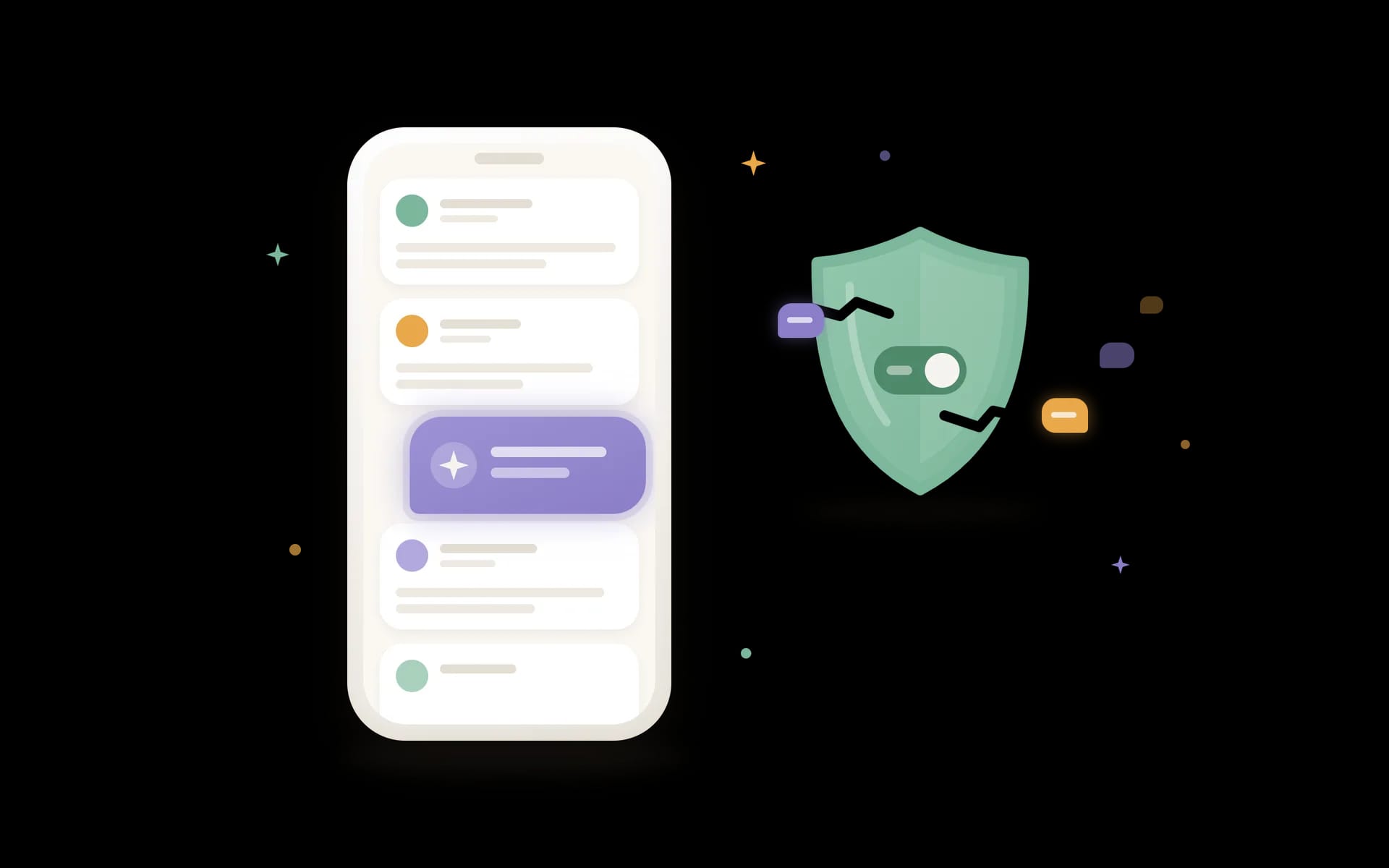
But OpenAI is clear about the limits. Parental controls don’t let a parent read a teen’s conversations. Parents only get an alert in high-risk situations, like signs of suicide, self-harm or disordered eating, and only once a small team of trained reviewers has looked at it. Everything else, including most of what a teenager talks to an AI about day to day, stays invisible to parents by design.
That’s not necessarily wrong as a privacy stance. But it does mean the safety net is thinner than “ChatGPT has parental controls” makes it sound, and this report shows what can slip through.
Why this matters beyond ChatGPT
According to Pew, around two-thirds of US teens use AI chatbots, and about three in ten use them every day. They use them for homework, for fun and, for some, for emotional support or something that feels like a relationship. ChatGPT is only one of the places this happens. And most built-in safety tools work the same way: they alert on a narrow set of serious situations and stay quiet about everything else.
Where Halo Aware fits
We built Halo Aware because “wait and hope the platform’s own alert fires in time” didn’t feel like enough, and because most kids don’t stick to one AI platform.
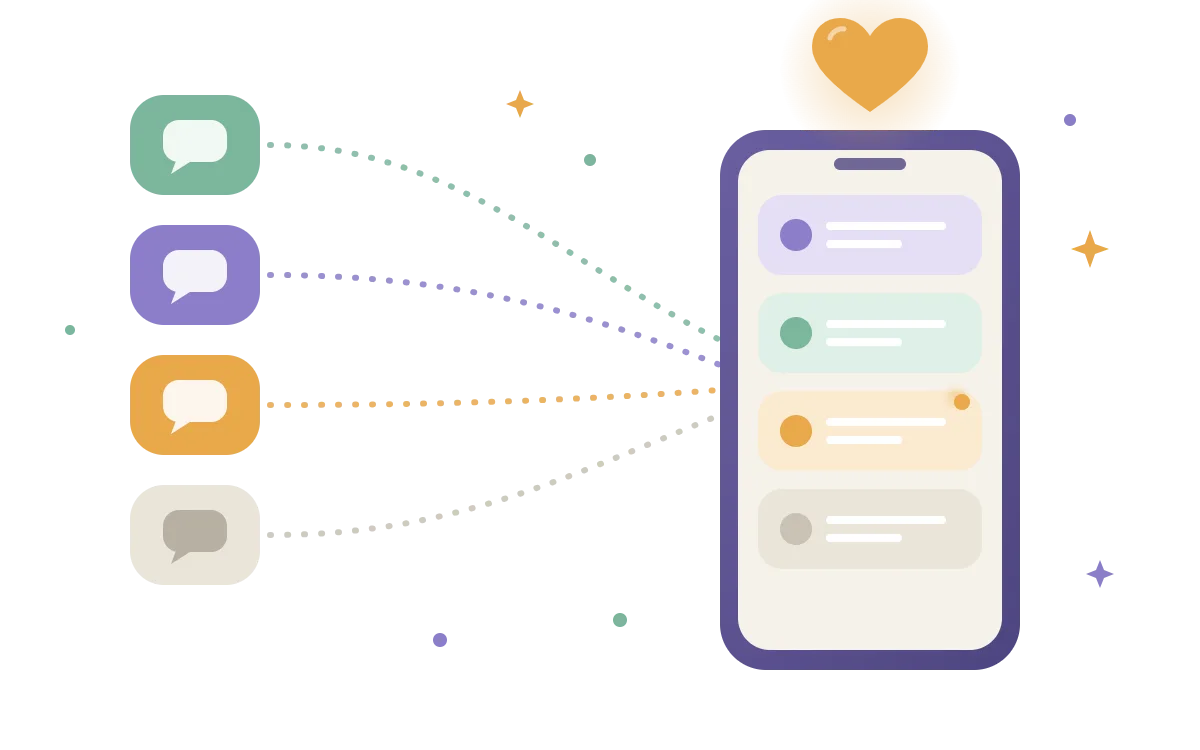
Halo Aware covers 12 AI platforms, including ChatGPT, Character.AI, Gemini and Grok, when your child uses them in a browser on their computer. Day to day, you get topic summaries, so you know what they’re generally talking about. When a conversation turns concerning, you get an alert with your child’s own words. We don’t read everything they type, and we don’t need to. Summaries, not surveillance.
No monitoring tool, ours included, can promise it will never miss anything. But watching more of the conversation, in more of the places it happens, gives you a better chance of spotting the moment that matters than relying on one narrow alert on one app.
See how Halo Aware works. Start free.