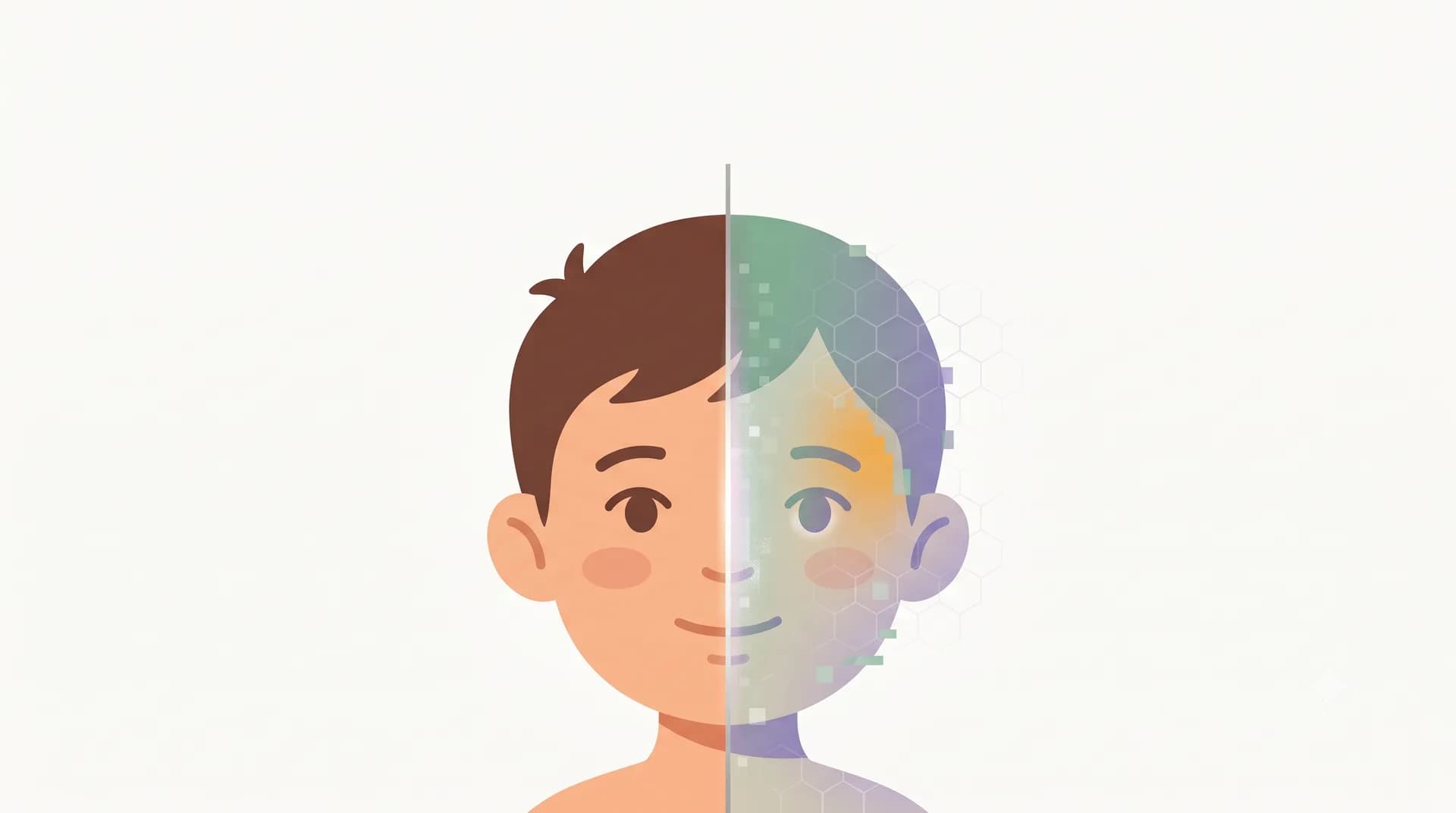
I remember when "internet safety" just meant telling kids not to talk to strangers in chat rooms. Now, those "strangers" might not even be real people, or they might be using a video of your own kid’s face to say things they never said. It’s a lot to take in.
1. The Weird World of Deepfakes
If you haven't seen a deepfake yet, they’re basically AI-generated videos or photos that look incredibly real. They can make anyone appear to do or say anything.
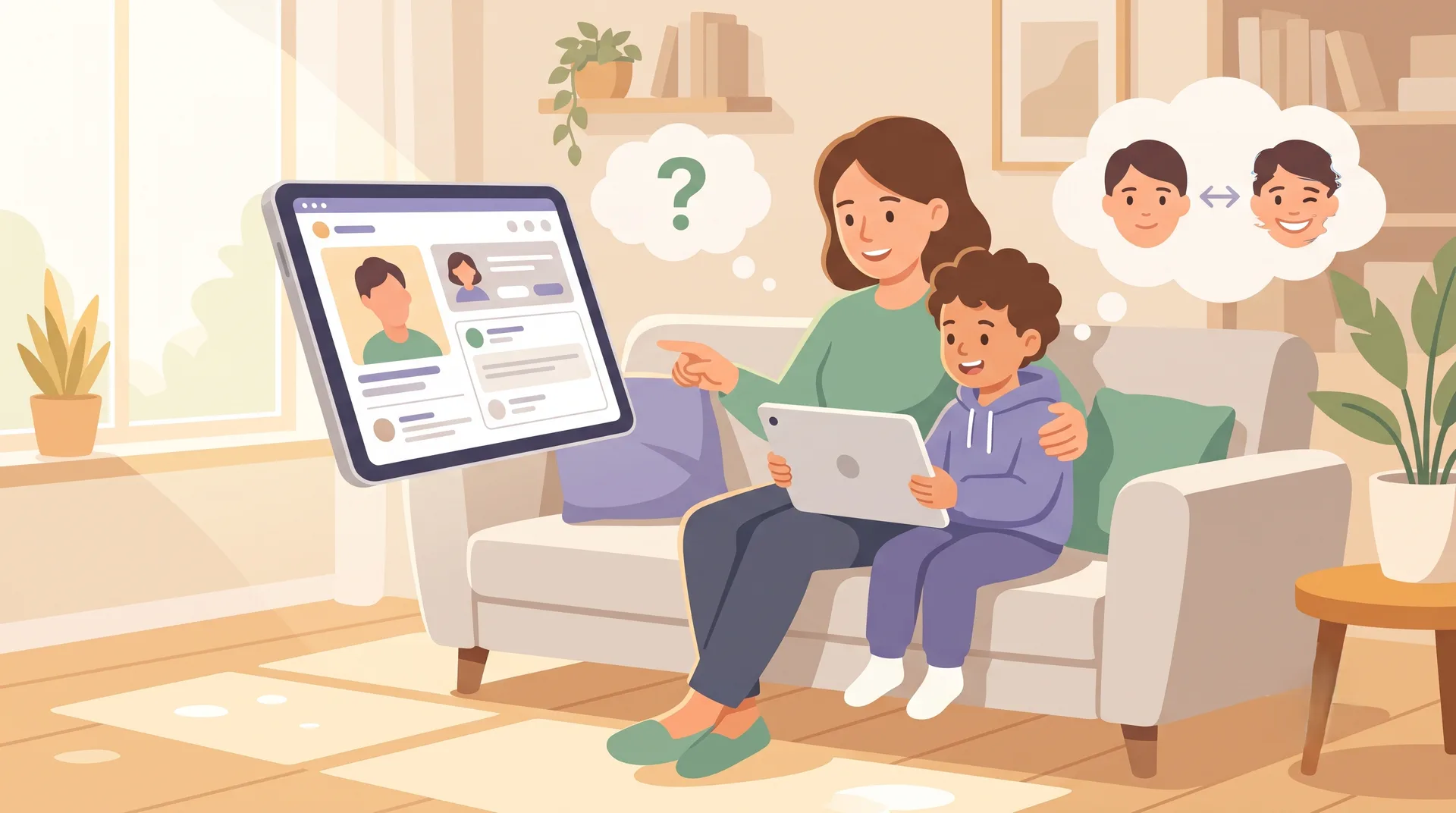
Children and teenagers should always be made aware of what a deepfake actually is. My biggest worry isn't just the "fake news" aspect; it’s how this tech can be used for bullying.
What works? Parents are teaching their children to have a "healthy side-eye" for anything they see online. If a video of a friend looks suspicious or hurtful, the rule is: Don't share it, and come tell an adult. We're learning that seeing isn't necessarily believing anymore.
2. Where is all that data actually going?
Every time a kid uses a fun AI art generator or chats with a bot about their homework, they’re feeding that AI. We often forget that these "free" tools are fuelled by data.
I’m not saying we need to throw all the tablets in the bin, but it’s worth thinking about what these companies are keeping. We don’t know what, or why, yet.
The "Confidant" Problem: Kids tend to talk to chatbots like they’re friends. As a parent, it’s important to explain that the bot isn't a person with a secret, it’s collecting data. If you wouldn't shout it in the middle of a playground, don't type it into the AI.
Checking the Settings: Try to go into the "Data & Privacy" tabs of the apps they use. Usually, there’s a way to turn off "training" or delete the chat history. It’s a pain to find, but it feels like a small win.
3. We’re all just doing our best
The truth is, no parental control app is going to catch everything. These AI models are designed to be "creative," which is just a fancy way of saying they find workarounds.
Some parents have realised that they can’t be a 24/7 human firewall. Instead of trying to block everything, they’re trying to be the person they come to when they see something weird. Sometimes, the best safety feature is just a conversation on the sofa.
A few tips:
Don't panic: AI is a tool, not a monster. It’s okay if they use it for school, as long as we’re watching the edges.
Check the Snapchat "My AI": If they have Snap, that bot is right there. It’s worth asking them what they’ve been asking it lately.
Be Kind to Yourself: You’re going to miss stuff. A new app will pop up, a setting will change, and you’ll find out three weeks later. It happens. Just keep the conversation going.